

The AI Search Shift: why generative engines are reshaping the future of visibility


.png)

Introduction – A new wave is already here
Every decade, digital marketing experiences a seismic shift that redefines how brands and consumers connect. First came search, powered by Google. Then came mobile, followed by social media and retail media. Each wave arrived faster than the last, unlocking billions in new value streams.
Today, we're entering a fifth wave – one that moves even faster and cuts deeper than any before it: the era of AI-powered conversational search.
Unlike previous shifts, this isn't just a new channel or a new interface. It's a new front door – where a single AI-generated answer replaces thousands of search results. For businesses, this is more than a technical disruption. It's a fundamental transformation of visibility, trust, and customer acquisition.
Surfing the digital waves: from search to AI
Over the past two decades, digital media has moved in successive waves – each one faster and more transformative than the last.
- Wave 1: Search (Google). It took more than a decade – for some media types nearly 15 years – for Search advertising to grow from $1 billion to over $30 billion (eMarketer, 2024).
- Wave 2: Mobile. The iPhone launch in 2007 turned digital into an "always-on" experience. Smartphones put search, apps, and connectivity in everyone's pocket, making interactions personal, contextual, and instant. Mobile wasn't just another channel — it redefined consumer expectations around speed and accessibility.
- Wave 3: Social Media. Social media platforms transformed how people connect and how brands build relationships. Facebook Ads (2007) kicked off scalable social advertising, quickly followed by Twitter Ads (2010) and later amplified by Instagram (2013), LinkedIn, Snapchat, and more recently TikTok. According to eMarketer, US social media ad spend grew from about $1 billion in 2009 to over $30 billion by 2020 – an 11-year journey that created the era of engagement, influence, and community-driven commerce.
- Wave 4: Retail Media (Amazon). Built on mobile-first shopping behaviors, retail media scaled even faster — reaching $30 billion in just 5 years. Suddenly, purchase intent itself became a monetizable media environment (eMarketer, 2024).
- Wave 5: AI-powered Search. Now comes the most radical wave yet: generative AI and conversational answers. No longer a list of options, but a single synthesized response — direct, contextual, authoritative, and tailored to the user profile (The AI Commerce Brief, 2024).
Each wave has layered on top of the previous one, compounding speed and complexity. But AI-powered search isn't just another layer. It changes the front door itself: from "where do I click?" to "what's the answer?"
From ten blue links to one definitive answer
Traditional search is built on lists: type a keyword, scan ten blue links, decide where to click. Businesses fought hard to land on that first page.
Conversational AI changes the rules. The user asks a question, and the AI delivers a single synthesized answer. Sometimes enriched with references, but more often presented as the answer.
This shift has profound implications:
- No more clicks to fight over. Visibility is binary: you're either the chosen answer, or you're invisible.
- Authority becomes the new currency. AI systems pick the sources they trust – which means credibility and content quality now outweigh keyword tricks (Neil Patel, 2024).
- Speed meets context. Customers expect instant, contextualized, actionable answers.
This isn't an SEO evolution. It's a reset.
The data behind the shift
Several consumer behaviors are accelerating the change:
- Zero-click searches. Nearly 60% of Google queries already end without a click, as users grab answers directly from the results page (SEMrush, 2024).
- Social-first discovery. Younger audiences increasingly turn to TikTok, Reddit, or niche communities for direct, authentic answers (Pew Research, 2023).
- Generative adoption. Platforms like ChatGPT, Perplexity, and Gemini are quickly becoming default tools for both professional and personal queries (Gartner, 2024).
In other words: the AI Search Shift isn't a future trend — it's already happening.
The GEO imperative: from SEO to GEO
For two decades, brands invested in SEO (Search Engine Optimization). In the new landscape, the game is called GEO: Generative Engine Optimization, sometimes referred to as AEO (Answer Engine Optimization).
The difference is critical:
- SEO: Optimize for keywords and rankings on a list.
- GEO: Optimize for credibility, structured knowledge, and AI-friendly content that can be used to build an authoritative answer.
For executives, the question is no longer "How do we rank?" but "How do we become the trusted source AI engines choose?"
That means rethinking:
- Product pages → clear, structured, enriched with verified data.
- Content strategy → expertise-led, backed by research and authority signals.
- Brand presence → recognized as credible not just by algorithms, but by communities, customers, and the media.
Trust as the new battleground
AI engines don't pull answers out of thin air. They rely on trust signals:
- Content shared and cited across networks.
- References from authoritative sources.
- Consistency between brand channels and third-party mentions.
In a GEO world, trust becomes a KPI. The stronger your reputation, the higher your odds of being "the answer."
That's why building thought leadership, reinforcing brand authority, and investing in content credibility are no longer optional – they're survival strategies.
The rise of conversational advertising
As the ecosystem evolves, so does the business model. Ads are no longer banners or sponsored posts. They're embedded in the conversation itself:
- Sponsored follow-up questions on Perplexity (Perplexity AI, 2024).
- Embedded purchase journeys inside ChatGPT (Shopify & OpenAI, 2024).
- Native ad formats that look like trusted recommendations, not interruptions (Thrad AI, 2024).
The early numbers are striking: Perplexity reports that 40% of users engage with suggested follow-up questions – a level of interaction far beyond traditional display ads.
For marketers, this means:
- Success will be measured not by impressions, but by relevance and engagement.
- Media buying needs to shift from "more exposure/repetition" to "smarter integration/conversation."
- ROI will depend on how seamlessly the brand fits into the user's conversational journey.
The hybrid consumer: human curiosity meets AI efficiency
Even as AI takes over more of the search and decision-making process, the human element persists.
- Impulse and emotion still drive lifestyle purchases.
- Research and comparison still matter for high-stakes decisions like real estate or education.
- But for everyday consumption – groceries, personal care, household products – AI increasingly acts as an advisor, curator, and even buyer (McKinsey, 2023).
This creates both a risk (brands losing direct contact with customers) and an opportunity (becoming the default choice in automated journeys).
In this hybrid model, the winners will be the brands that:
- Earn the AI's trust.
- Preserve the human connection.
- Blend automation and emotional engagement.
KPIs for the AI era
To succeed, C-level leaders need to change how they measure visibility and performance. Old SEO metrics (rankings, clicks) are no longer enough. Instead, think:
- Answer Share of Voice (ASOV): how often your brand is the chosen AI-generated answer.
- Engagement depth: not just clicks, but follow-up interactions, conversation continuations, or automated purchases.
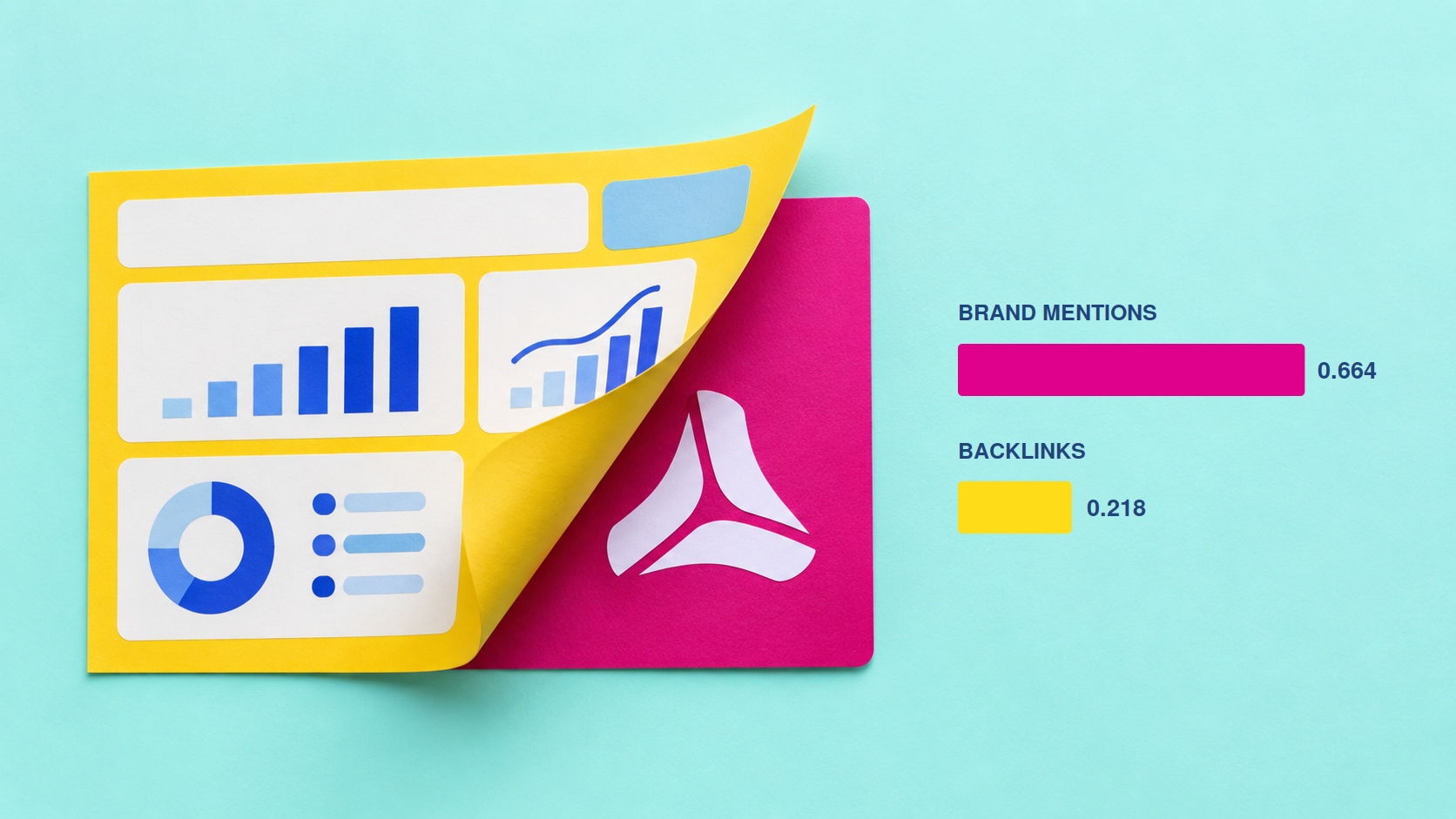
- Trust signals: brand mentions, authoritative backlinks, structured data adoption.
- Customer lifetime impact: how being "the default answer" shapes long-term loyalty and retention.
What leaders need to do now
The AI Search Shift isn't a distant horizon. It's here, and the first movers will define the new rules. For executives, the roadmap is clear:
- Audit your visibility in AI environments. Ask: "Are we being chosen as the answer today?"
- Invest in GEO-ready content. Structured, authoritative, and verifiable.
- Build trust systematically. Across media, social, partnerships, and communities.
- Experiment with conversational ads. Learn what works in follow-up questions and AI-driven discovery.
- Reframe your KPIs. Make "being the answer" a primary performance KPI.
Conclusion – From messages to answers
The fifth digital wave is already rewriting the rules of visibility. In this new reality, brands aren't just fighting for clicks or impressions. They're fighting to be the answer itself.
This is a challenge — but also a historic opportunity. Companies that act now, embrace GEO, and invest in trust won't just adapt. They'll define the next decade of digital leadership.
The only question left is: In a world where AI picks the answers, will your brand be the one it picks?
Frequently Asked Questions (FAQ) about AI Search
1. What is the AI Search Shift? The AI Search Shift refers to the transformation from traditional keyword-based search to conversational AI-powered engines. Instead of displaying a list of links, AI delivers a single synthesized answer – changing how brands achieve visibility.
2. What is GEO (Generative Engine Optimization)? GEO is the evolution of SEO. It focuses on structured, credible, AI-friendly brand content so that generative engines choose it as the trusted answer.
3. Why does trust matter more than keywords? In an AI-driven environment, algorithms prioritize trusted, credible sources. A brand's credibility, expertise, and consistent reputation directly increase its odds of being selected as the answer.
4. How can executives prepare their companies for this shift? C-level leaders should audit their current visibility in AI environments, invest in GEO-ready content, reinforce trust signals, experiment with conversational ads, and reframe KPIs around Answer Share of Voice (ASOV).
About Sabrina Bulteau
After more than two decades shaping the digital world by co-founding Be Connect, one of Belgium's first social media agencies, Sabrina Bulteau is now co-founder of PingPrime.ai. She pioneers Generative Engine Optimization (GEO) to help brands, institutions, and media become the trusted reference that generative AI systems retrieve, cite, and recommend. Her focus: navigating the AI Search Shift and helping organizations move from visibility to narrative authority, so they aren't just found, but believed and chosen. No fluff. Just impact.


.svg)
